
Digging Deep: Drilling insights into the biogeochemical cycle archiving Earth’s first oxygenation
This blog was written by Ichiko Sugiyama, Kärt Paiste, Aivo Lepland, Anthony R. Prave, Timmu Kreitsmann, and Alexis Ndongo, with equal contributions from all authors.
Photo, and image credits: Aivo Lepland, Kärt Paiste, and Ichiko Sugiyama
What is the GOE-DEEP project?
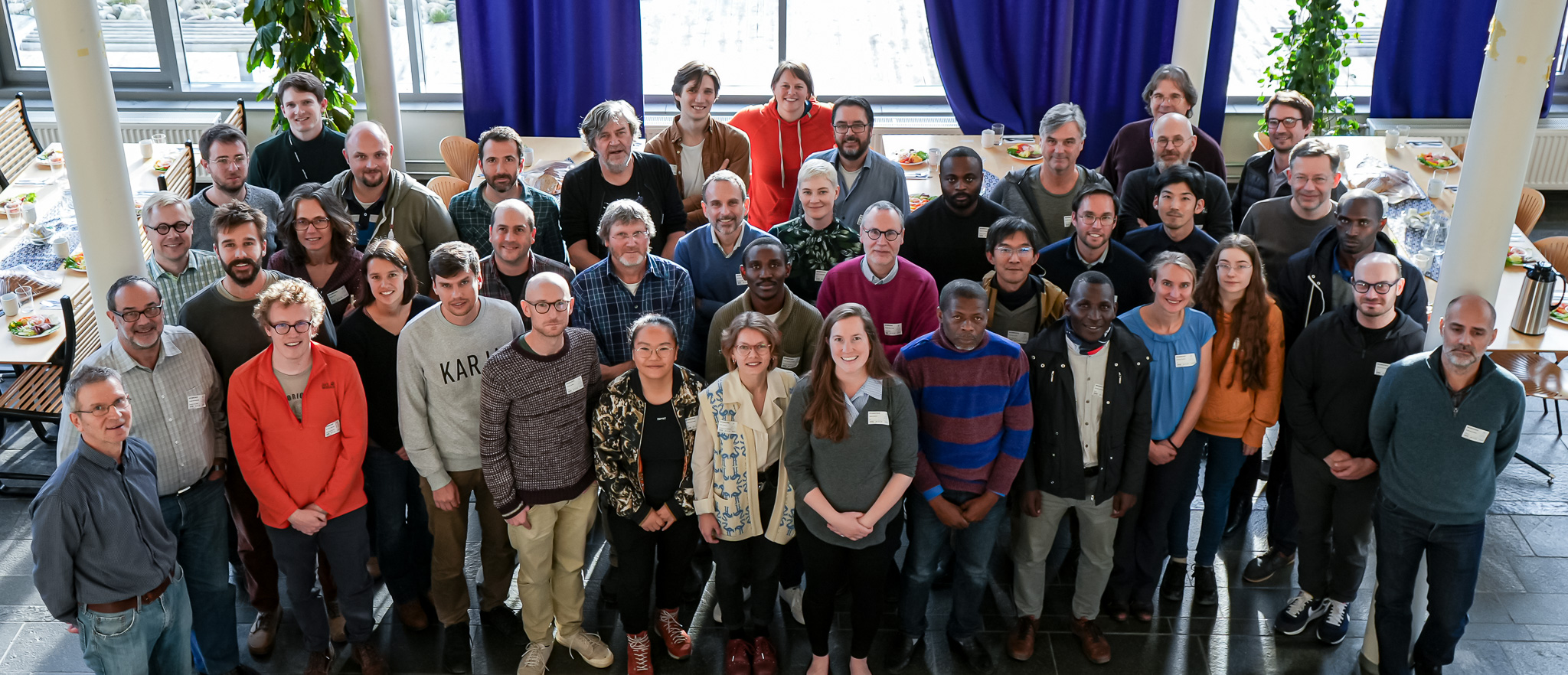
Figure 1. Some members of the GOE-DEEP team at the 2022 workshop at NGU in Trondheim.
The Gabon and Oxygenation of Earth – Drilling Early Earth Project (GOE-DEEP) is an international initiative involving 70 scientists and industry members from 18 countries, funded in part by the International Continental Scientific Drilling Program (ICDP). It is an interdisciplinary effort to refine our understanding of the timing, magnitude, and significance of Earth’s early oxygenation and how it shaped the co-evolution of life and Earth’s environments. GOE-DEEP targets the Franceville Basin in Gabon, a remarkably well-preserved sedimentary succession deposited between 2.2 and 2.0 billion years ago that offers an exceptional window into the biogeochemical processes associated with, and consequences of, Earth’s oxygenation. More information about GOE-DEEP can be found in the previous EAG Blog post (link here).
History of the GOE-DEEP project

Figure 2. Timeline of the GOE-DEEP project.
In November 2022, the GOE-DEEP scientists and industry partners gathered at the Geological Survey of Norway (NGU) in Trondheim for a three-day ICDP-funded workshop (read more on the EAG Blog – link here). During this event, they collaborated to draft a proposal submitted to the ICDP in January 2023. Following feedback from the ICDP, the proposal was revised and ultimately approved in June 2024.
Although the proposal was approved, ICDP funding is based on a matched-funding principle, under which ICDP’s financial support for the drilling campaign covered 50% of the total costs, with the remaining 50% borne by the scientific team. After raising and securing the additional funding, the GOE-DEEP drilling campaign was planned for the summer of 2025. The campaign began in June 2025 to coincide with Gabon’s dry season, which runs from June to September.
Drilling organization
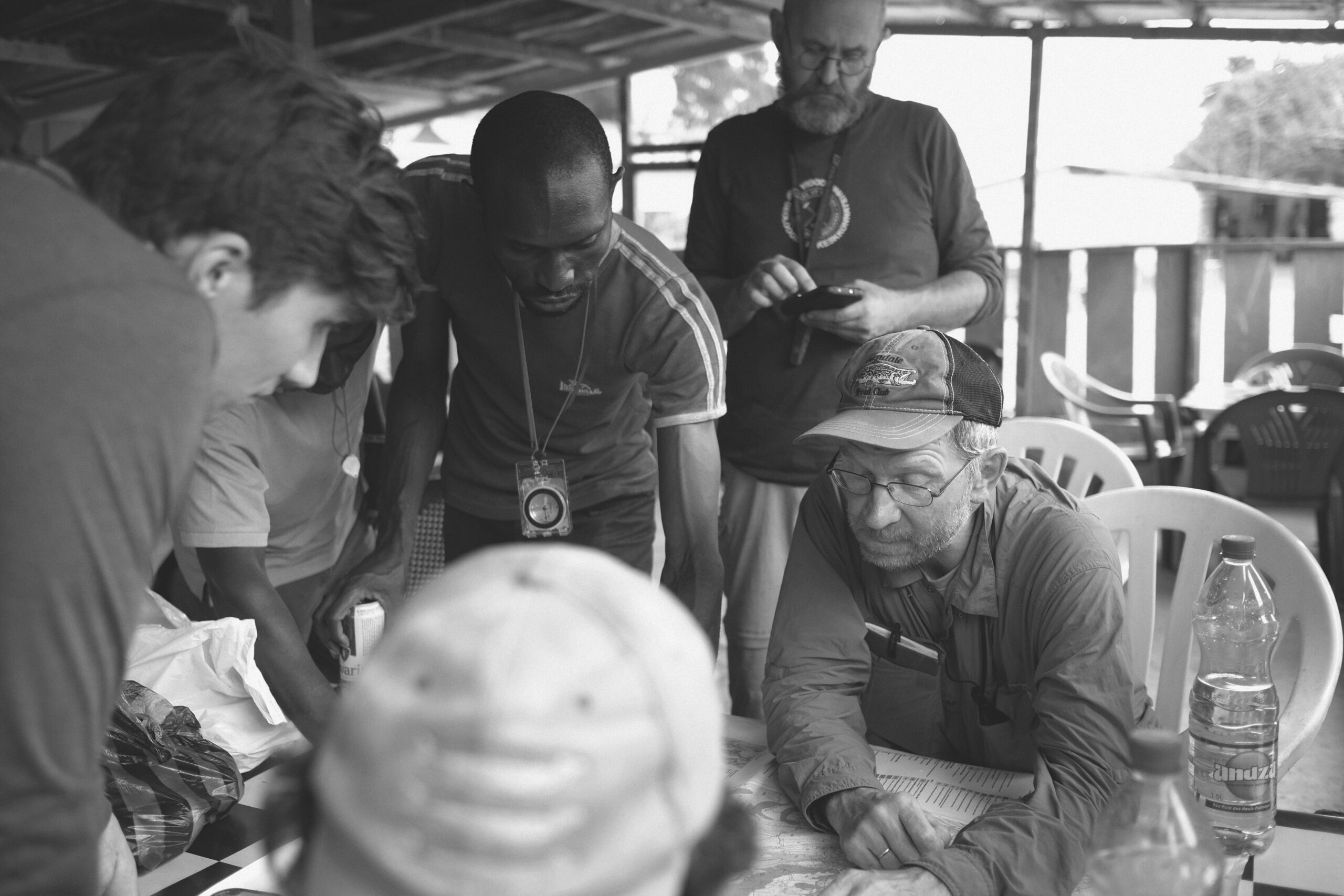
Figure 3. An international team of scientists under guidance of Gabonese partners have been working tirelessly identifying optimal drilling sites.
For drilling to proceed, negotiations with drilling companies and local authorities began. Capital Drilling was selected as the contractor for the GOE-DEEP drilling campaign based on its equipment, services, and competitive pricing, as well as its experience providing exploration drilling services from initial site preparation through to the recovery of high-quality core samples. Gabonese colleagues at the Université des Sciences et Techniques de Masuku and industry partners from the Comilog mining company secured drilling permits from the government. They provided logistical support, including site preparation and levelling, establishing a field base camp, and, at times, constructing road access.
The drilling campaign
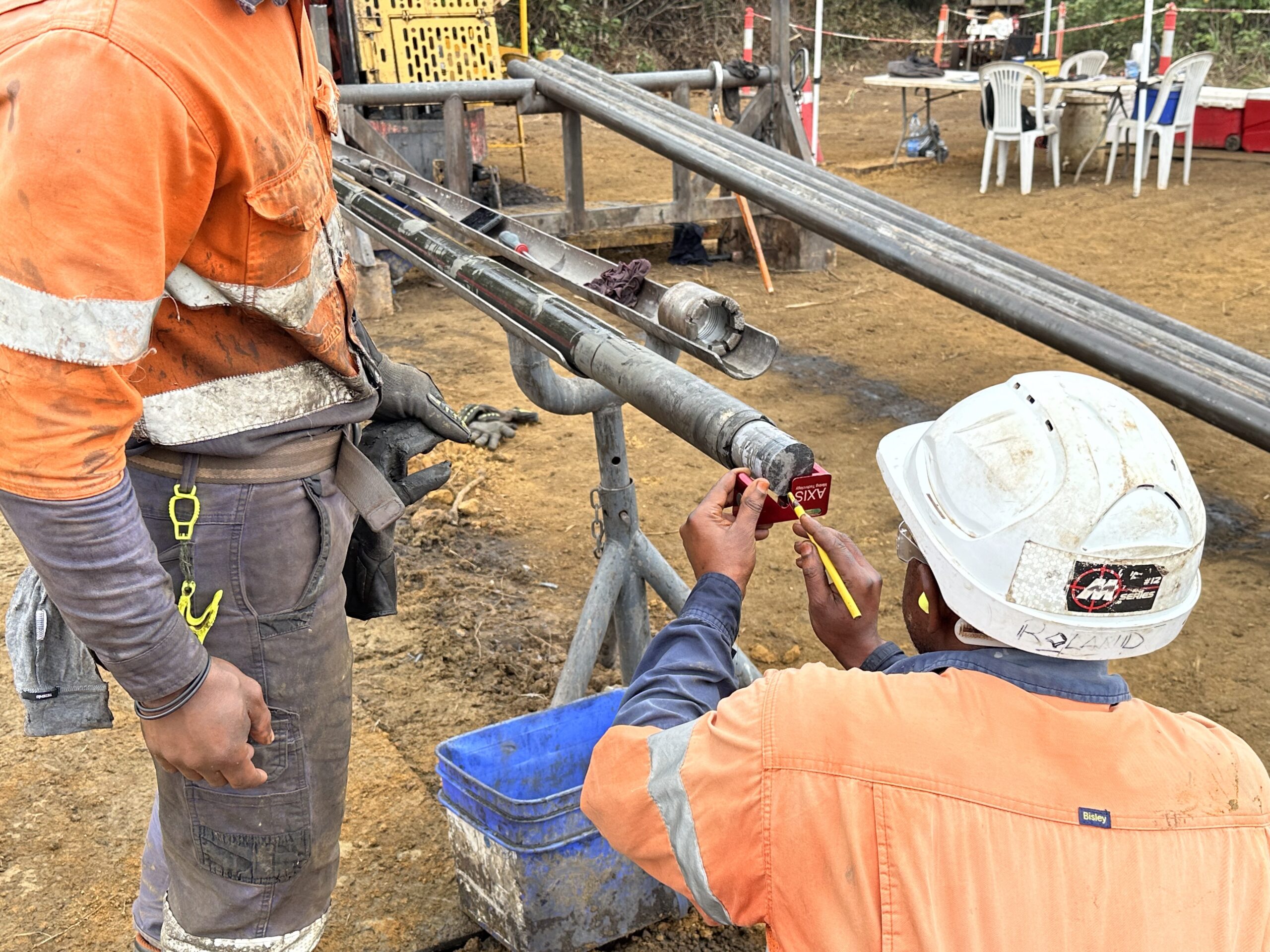
Figure 4. The GOE-DEEP team is working around the clock to recover precious cores from deep beneath Earth’s surface.
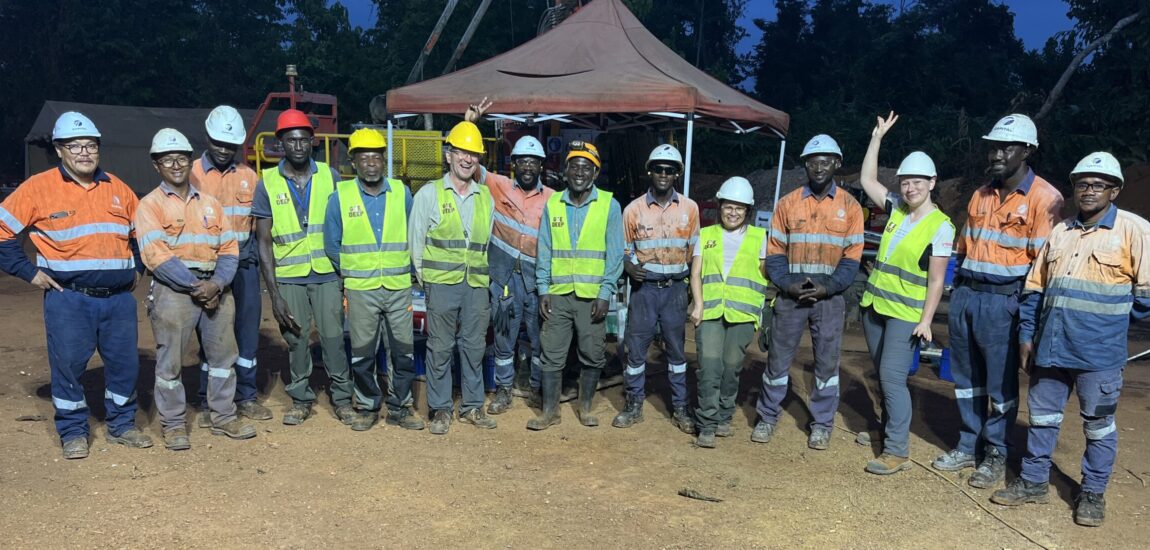
For many members of the science team, it was their first time traveling to Gabon. Coming from comfortable office chairs in well-ventilated rooms in Canada, the US, or Estonia, the idea of spending a month in a tropical rural savanna in Central Africa was both exciting and a bit intimidating. The latter was fueled, in part, by having to obtain mandatory vaccinations and boxes of malaria prophylaxis, as well as navigate the visa system. Thanks to the warm welcome and support from our Gabonese partners at Masuku University, any initial hesitation quickly disappeared, and we could begin our scientific studies, explore the beautiful country of Gabon, and start drilling.
Due to our ambitious drilling schedule, we could not entirely avoid the rainy season. As a result, heavy thunderstorms accompanied us daily during the drilling of the first hole. However, just as suddenly as they began, they ended, and the remainder of the campaign was pleasantly dry. If someone had asked beforehand what we were most worried about when doing fieldwork in Gabon, we would have surely said mosquitoes and everything that comes with them. To our surprise, the biggest challenge turned out to be swarms of bees, which showed a strong interest in our activities. Without going into too much detail, the number of stings suffered by team members varied significantly.
We drilled around the clock, 24/7 for 13 consecutive days, with every second Sunday dedicated to maintenance work on the drill rig. This meant working day and night shifts, typically rotating once a hole was completed. While night shifts might sound tedious at first, both the savanna and the rainforest truly came alive after dark. You never know what you might encounter, from pythons to elephants roaming in the distance. All in all, daily life in the field was exciting, and most of us are already looking forward to returning to Gabon for the second phase of drilling – better prepared, more experienced, and ready for whatever the next campaign has in store.
Core drilling in action: What’s happening at the drill site?
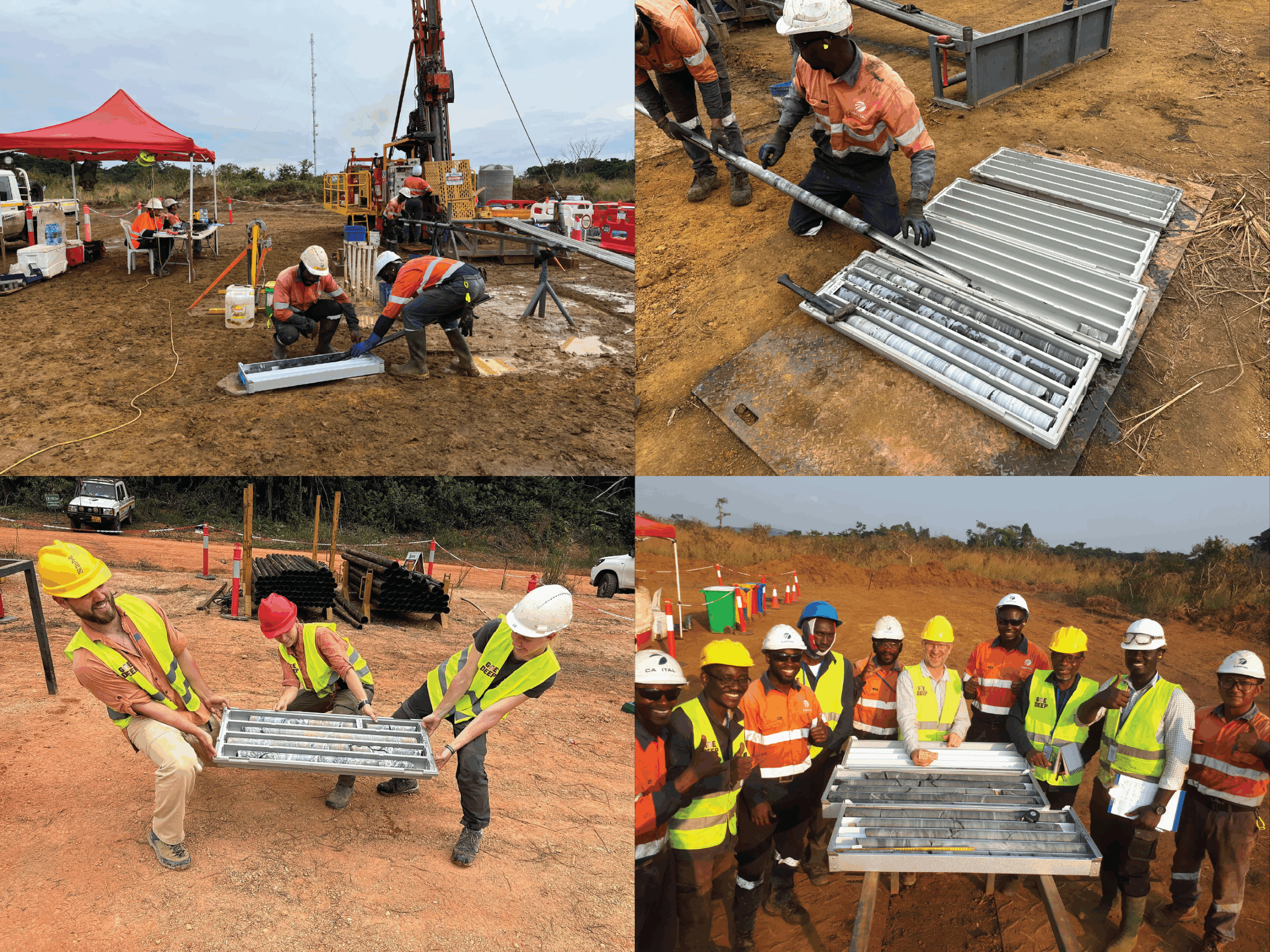
Figure 5. Drilling in progress. The Capital Drilling team retrieved cores and placed them into core boxes, where scientists marked, described, measured, and documented each core before photographing and packing the boxes for storage.
Once the drill site was established and personnel were on-site, core drilling began. For more information about the drilling process from on-site experts, visit the GOE-DEEP YouTube channel (link here). Two teams worked on the site: the drilling team and the scientific team, each with its own responsibilities. The drilling team operated the drill rig with a focus on achieving productive drilling results. Ideally, they aimed to collect 3 meters of rock sample each time they hoisted the filled core barrel to the surface. The core was then cleaned and placed into core boxes marked with their respective depths. This process continued until the borehole was complete.
Once the cores are in the boxes, the scientific team marks them with colored pencil lines to identify the top and bottom, makes initial geological descriptions, measures lengths, and enters data into mDIS, an ICDP archiving system. The core boxes are photographed, labeled, and packed before being sent to temporary storage.
For the scientific team, the drilling campaign presents an excellent opportunity to educate geology students about the scientific and practical aspects of the GOE-DEEP project. On several occasions, students from the Université des Sciences et Techniques de Masuku visited the drilling site, where they learned about the GOE-DEEP project and the drilling process. Communication with the local communities was also important, and several drill site visits were arranged for people from nearby villages to share the excitement about drilling and recovered drill cores.
Once core drilling was complete, geophysical downhole logging was conducted. Lastly, and importantly, the site was cleaned up and rehabilitated, including planting native plants in the area. While this was being undertaken, the drill rig and equipment moved to the next location. This process continued until all planned core drilling was completed. The 2025 GOE-DEEP drilling campaign was highly successful, with 8 of the 11 planned holes completed, yielding a total of 2,700 metres of rock core with a recovery rate of 99%. Drilling of the remaining three holes is scheduled for August–September 2027.
For more information about daily life at the drilling sites, visit the ICDP Daily News website (link here).
Shipping the drill cores to the Geological Survey of Norway
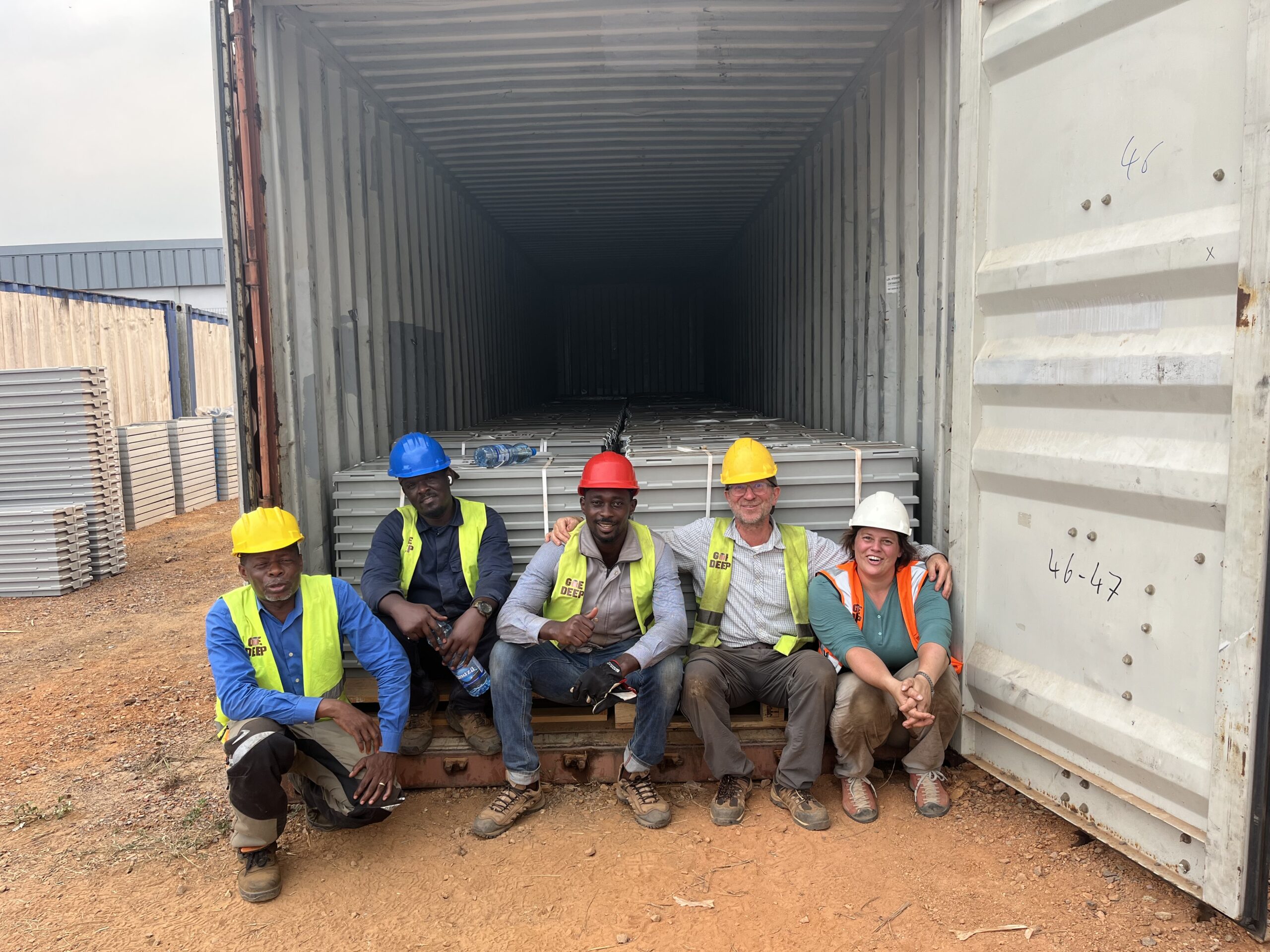
Figure 6. Our team finished loading the precious cores into shipping containers in Moanda in September 2025 that eventually arrived safely in Norway at the NGU core storage facility four months later.
Finally, the retrieved core boxes must be securely packed onto the pallets, loaded into containers, and shipped from Gabon to Norway. The most nerve-wracking part is waiting for the cores to arrive at their final destination at NGU in Trondheim, where the central science team is eagerly waiting. The cores embarked on a journey to Norway lasting ca. two months, including legs on truck, train, and cargo vessel, with only minor mishaps.
So what’s next?
The containers housing core boxes arrived in Oslo harbor right before Christmas and, by the end of January, were safely in Trondheim, where they will be processed further to provide the scientific team with background information to determine sampling strategies and conduct research. Stay tuned for our next blog, where we’ll take you behind the scenes of core logging and much more!