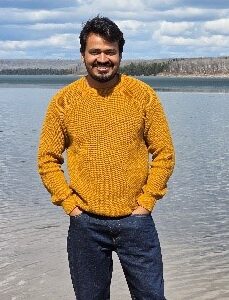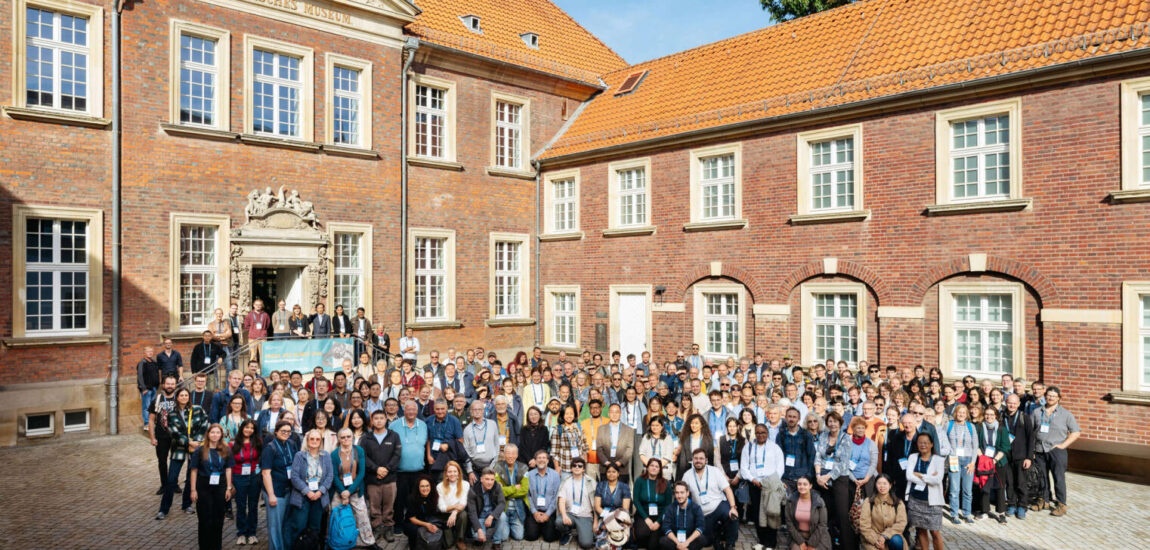
Presenting Gondwana Palaeobotany at EPPC by EAG Sponsored Student Suraj Kumar Sahu
Why was it important for you to participate in the event?
The European Palaeobotany and Palynology Conference (EPPC) conference is held only once every four years, participating in the conference was particularly important to me as I approach the completion of my PhD. It provided a valuable opportunity to present the research I have developed throughout my doctoral journey, receive feedback, and understand how my work resonates with the international palaeobotanical community before graduation. Beyond presenting my findings, I was eager to interact with leading researchers in my field, exchange ideas, and establish professional connections. I also hoped to explore potential postdoctoral opportunities and future collaborations, making the conference an important milestone in my academic and professional development.
What was your overall experience of the event, both professionally and personally?
Professionally and academically, my experience at EPPC was both inspiring and enriching. The conference brought together active researchers from across the globe, creating an exceptional platform to explore the breadth of research and the emerging possibilities in deep-time palaeontology and palaeoecology. Presenting my PhD research and receiving valuable feedback and suggestions from experts in the field helped me reflect on my work and identify potential directions for further investigation. I also gained new perspectives through scientific discussions and interactions with fellow researchers, particularly regarding opportunities for future collaborations, postdoctoral research, and co-authored publications.
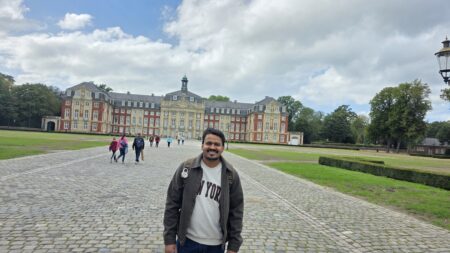
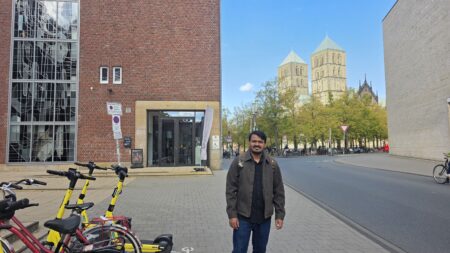
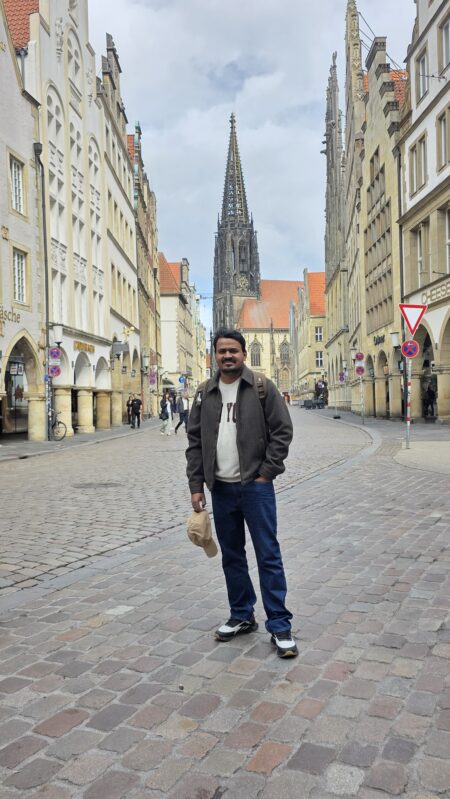
Personally, EPPC was equally memorable, as it was my first visit to Germany. I thoroughly enjoyed exploring Münster and its historic city center, particularly the magnificent churches and architectural heritage. The pleasant weather, abundant greenery, and cycling culture made the experience even more enjoyable. Overall, EPPC was not only a significant academic experience but also a wonderful personal journey that broadened my scientific outlook and left me with lasting memories.
What impact did attending this event have on your career?
The immediate impact of attending EPPC was the opportunity to connect with established researchers and obtain a reference letter in support of my postdoctoral application at a research institution in Karlsruhe, Germany. The feedback and constructive suggestions I received on my presentation also helped me identify areas for improvement and refine my research questions and future research directions.
However, I believe the long-term impact of the conference will be even more significant. Interacting with researchers who remembered me from previous conferences strengthened my professional visibility and helped me establish a stronger identity within the international palaeobotanical community. These interactions fostered a sense of belonging among fellow researchers and opened up possibilities for future collaborations. At a time when palaeobotanical research faces growing challenges in India, building these international connections is particularly valuable for sustaining my research career, exploring new opportunities, and contributing to the continued development of the field.
What was your personal experience of the event?
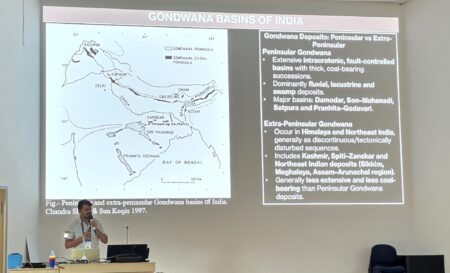
My experience at EPPC in Münster was truly memorable, both professionally and personally. I was initially nervous about the conference, as I was scheduled to deliver two oral presentations while simultaneously working on my PhD thesis back at the institute. Although the timing was academically challenging, attending the conference was important to me, and I was determined to make the most of the opportunity. Presenting my research before an international audience, including many researchers whose work I had previously known only through their publications, was an exciting and rewarding experience.
To manage my travel expenses, I opted for a budget-friendly travel plan and stayed in Bochum, commuting to Münster each day. Although this meant longer journeys, it also allowed me to explore both cities and experience more of Germany. One of the highlights of my visit was attending Oktoberfest 2026, which I found lively, vibrant, and thoroughly enjoyable. Beyond the scientific sessions, the informal interactions and networking opportunities made the experience even more enriching. Overall, despite the challenges of balancing thesis writing, travel, and presentations, EPPC was an unforgettable experience that broadened my scientific perspective and gave me wonderful personal memories
What did you enjoy the most at the event?
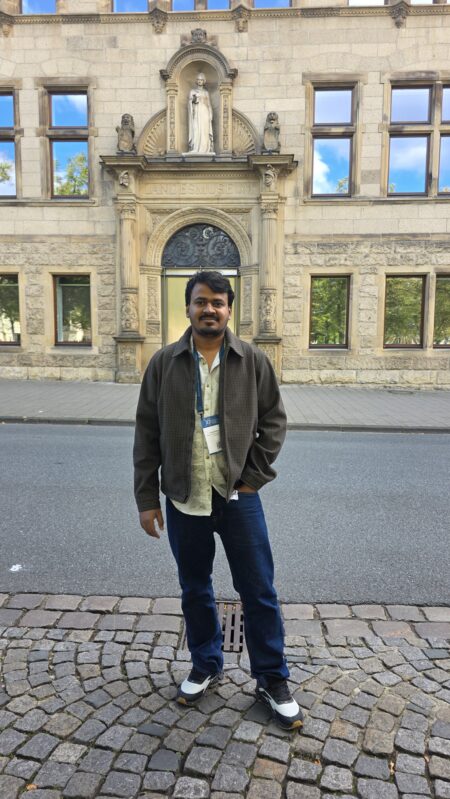
What I enjoyed most during the conference was experiencing Münster’s distinctive cycling culture, exploring the local cuisine, and visiting the LWL Museum of Natural History, particularly its palaeontological collections. The museum was a highlight of my visit, as its impressive fossil collection offered a fascinating glimpse into the region’s palaeontological heritage. I was also intrigued by the museum’s basement, which includes a protected World War II bunker. Seeing fossils being prepared and restored for future display was especially exciting from a palaeontological perspective. These experiences made my visit more than just an academic trip, allowing me to explore Münster’s cultural heritage, history, and scientific contributions alongside the conference.
What advice or tips would you offer to other students who are planning to attend this event?
I would strongly encourage PhD students and early-career researchers working in palaeobotany and palynology to attend EPPC. Held once every four years, the conference offers a unique opportunity to connect with leading researchers from around the world, exchange ideas, receive constructive feedback, and explore potential collaborations across the geological timescale. I would recommend reaching out to researchers of interest before the conference, particularly those whose work aligns with your research interests, as this can help initiate meaningful scientific discussions and networking opportunities. Most importantly, do not hesitate to approach people or strike up conversations with fellow participants. I found the palaeobotanical community to be very friendly, welcoming, and willing to share their knowledge, offer advice, and help in whatever way possible. Prepare your presentations well, actively participate in discussions, and plan your travel and accommodation in advance to manage expenses. Above all, be open to learning, sharing ideas, and building connections, as EPPC can be an invaluable experience for both scientific growth and future career development
About the Author