Lithium, Pegmatites & the Energy Transition: Highlights from PEG2026 by EAG Early Career Ambassador Bence Horányi
In August 2026, I had the opportunity to attend the 11th International Symposium on Granitic Pegmatites (PEG2026) in Perth, Western Australia, with the generous support of the EAG Early Career Science Ambassador Program. Here, I presented the culmination of my PhD research to world-leading experts on granitic pegmatites from both academia and industry. My research focuses on the formation of rare-metal granites and pegmatites, which are important sources of critical metals required for modern technologies and the transition towards sustainable energy. Most notably, granitic pegmatites account for approximately half of the global lithium supply, with demand expected to increase due to their integral use in electric batteries. Perth was therefore a particularly fitting location for the conference, as Western Australia hosts some of the world’s largest and most economically important lithium pegmatite deposits, including the world-famous Greenbushes pegmatite, which accounts for ~20% of the global lithium supply.
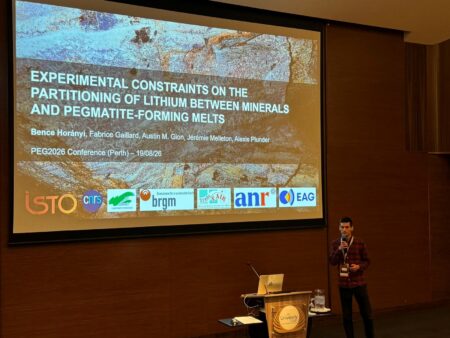
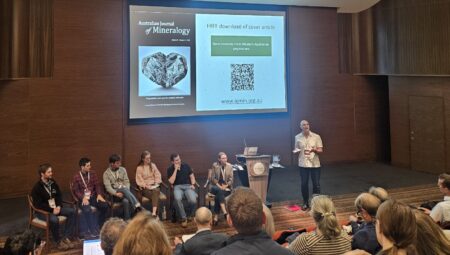
Attending PEG2026 was particularly important to me as it coincided with the final stages of my PhD. It provided an excellent opportunity to share my results following 3.5 years of research, receive feedback from leading experts in the field, and explore potential directions for my future career. During the conference, I presented both an oral presentation and a poster (Fig. 1), which sparked stimulating discussions about the formation and evolution of lithium-rich pegmatite-forming melts. I was also invited to participate in an early career scientist panel discussion, where we explored some of the emerging questions and challenges in pegmatite research (Fig. 2). This was a particularly rewarding experience, as it allowed me to exchange ideas with other early career researchers and contribute to discussions about the future direction of our field.
An enjoyable aspect of PEG2026 was the relatively small and close-knit community of fellow pegmatite enthusiasts. With around ~200 participants, the conference offered a friendly and welcoming atmosphere, making it easy to engage with researchers whose work I had followed throughout my PhD. The discussions extended well beyond the scientific sessions, providing opportunities to exchange ideas, establish new collaborations, and build lasting professional relationships. The strong representation of industry professionals was especially valuable, offering insights into the practical challenges of lithium exploration and the opportunities for collaboration between academia and industry. Meeting scientists working across these sectors helped me better understand the opportunities for developing future collaborative projects and applying fundamental research to real-world geological challenges.
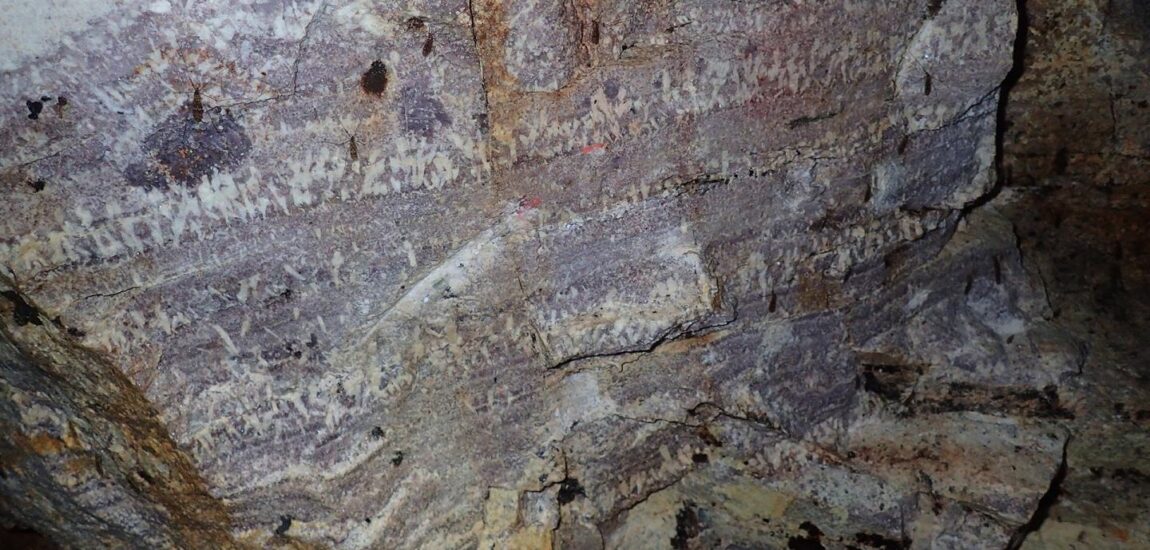
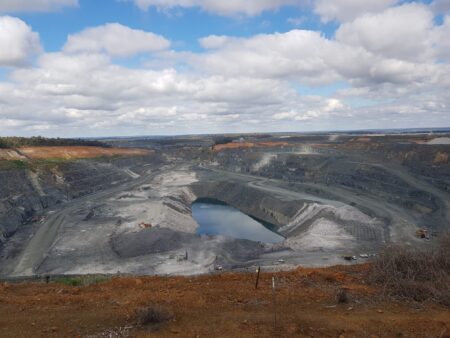
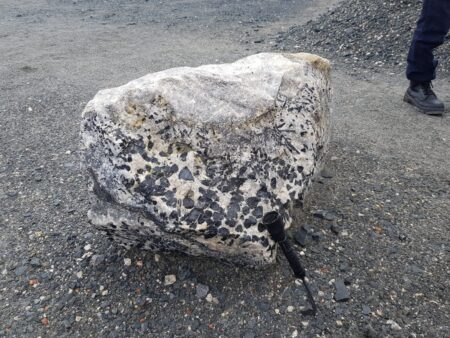
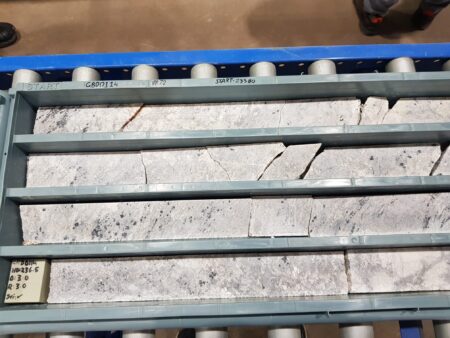
One of the highlights of my visit was the post-conference field excursion to the world-renowned Greenbushes pegmatite, one of the largest and most important hard-rock lithium resources globally (Figs. 3 and 4). As someone who has spent much of my PhD studying the formation of lithium-rich granites and pegmatites, visiting such an exceptional deposit in person was an unforgettable experience. During the excursion, we also had the opportunity to examine drill cores from the deposit, providing fascinating insights into its subsurface geology and mineralisation (Fig. 5). It was a great opportunity to discuss pegmatite geology with fellow researchers and collect some truly remarkable rock samples from the field.
For other early career scientists considering attending a future PEG symposium, I would strongly recommend it. The relatively small size of the conference and the welcoming nature of the pegmatite community make it an ideal environment for networking, sharing research, and developing new ideas. My advice would be to take full advantage of the opportunities to engage with other participants, whether during scientific sessions, informal discussions, or field excursions.
Overall, PEG2026 was an incredibly rewarding experience, both scientifically and personally. I returned home with fresh perspectives on my research, exciting ideas for future projects, and new collaborations. I am sincerely grateful to the European Association of Geochemistry for supporting my participation through the Early Career Science Ambassador Program and making this memorable experience possible.
About the Author