
8242 views
General
3 students perspectives on GES-10
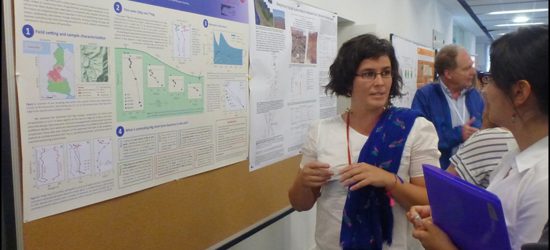
The Geochemistry of the Earth’s Surface (GES-10) conference took place on 18-22 August in Paris and the EAG proudly supported student attendance by providing grants of 200 Euros per student
The Geochemistry of the Earth’s Surface (GES-10) conference took place on 18-22 August in Paris and the EAG proudly supported student attendance by providing grants of 200 Euros per student
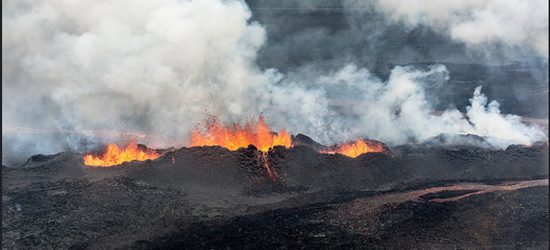
It is Wednesday morning. I arrive at my office at the University of Iceland after the International Carbon Conference in Reykjavík and quick visit to Oslo. In the hallway I am already going over my to
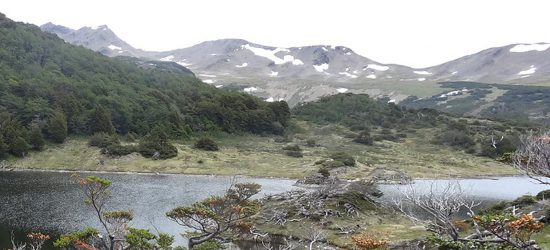
The best thing about working in Earth Sciences is the fieldwork, hands down. From looking at old mines in the Lake District to collecting fossil microorganisms in Trinidad
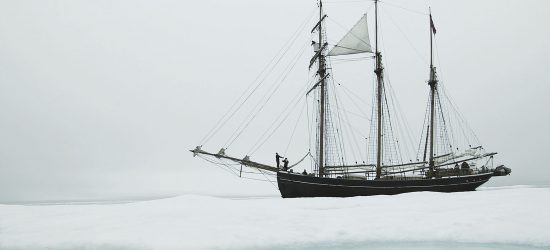
I’ve been to the cinema again and, like last time, I feel compelled to write about it, encouraging you to see the film I just have. Expedition to the End of the World
The Goldschmidt blogging team have all had time to travel back to their homes, some even moving to a new country! We've put together our highlights from the conference, see them below
How did it all start? When I (Fred) was first contacted to write an article for Geochemical Perspectives by the Editorial Board, and strongly encouraged by Eric Oelkers to do so
Why do I write this blog? It is to show that the path to where you want to go is not always easy. I was trained as a metamorphic petrologist at the University of Kiel in Germany and as a petrologist
Having just got back from a field class, I’m at a loss of what to do. The rush of returning to the office on Friday afternoon to crack out a Goldschmidt abstract
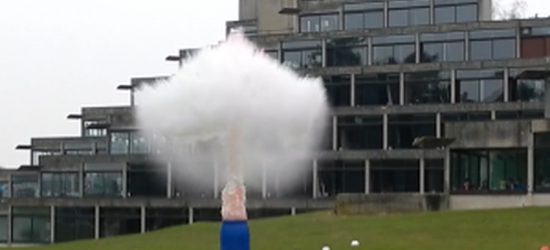
The other week, the School of Environmental Sciences (ENV) at the University of East Anglia was filming promotional videos to entice new undergraduates to join the department next year
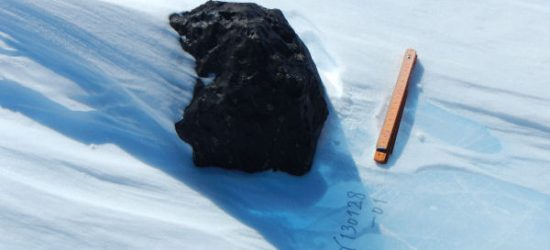
An international team of scientists, working at Princess Elisabeth Antarctica research station, has discovered a meteorite with a mass of 18kg embedded in the East Antarctic ice sheet
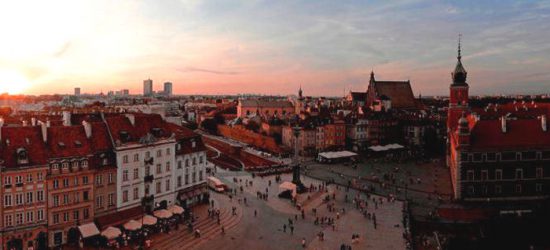
I was both delighted but surprised when I was asked to be the EAG Distinguished Lecturer in Eastern Europe. Distinguished is not an adjective that has ever been closely associated with my activities
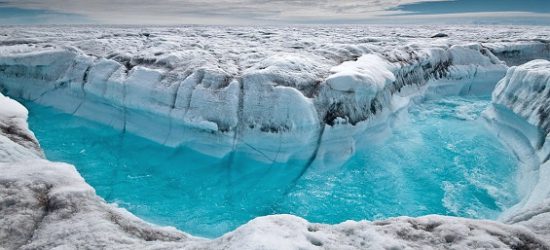
Last week, a group of us from the Cohen Research Group, School of Earth and Environment, University of Leeds, went to see a new movie. This is usually not an event worth blogging about but this movie