Biofilms, EPS and Life in Serpentinising Systems – EAG Sponsored Student Report
My research stay at the Mediterranean Institute of Oceanography (MIO) in Marseille, France, was an important opportunity to advance my PhD research on microbial biofilms in serpentinising ecosystems. These environments are fascinating because they combine extreme pH, distinctive fluid rock interactions, and microbial life adapted to unusual geochemical conditions. They also provide useful analogs for understanding habitability and the preservation of biosignatures in extreme environments.
During my visit, I worked in Prof. Gaël Erauso’s laboratory on microbial strains isolated from the Prony Hydrothermal Field in New Caledonia. My main goal was to investigate whether these extremophilic microorganisms can form biofilms and produce extracellular polymeric substances, or EPS. EPS is the matrix material surrounding microbial cells in biofilms and can include polysaccharides, proteins, extracellular DNA, and lipids.
I worked with alkaliphilic and acidophilic isolates, including Exiguobacterium pronyensis BJCHIT, Clostridium sp. strain PROH2, Alkalicella caledoniensis, Alkaliphilus serpentinius,
Aciditoga spp., and Marinitoga spp. These organisms represent different physiological strategies across alkaline and acidic conditions. A major part of the visit involved learning anaerobic
culturing approaches, which are a key expertise of the host laboratory. I also tested the strains for biofilm formation using crystal violet and Congo red assays, refined a crude EPS extraction
workflow for pure cultures, and quantified EPS-associated components using phenol-sulfuric acid assays for polysaccharides, Bradford assays for proteins, and Qubit fluorometry for extracellular
DNA. Lipid characterisation by FAME/GC-MS.
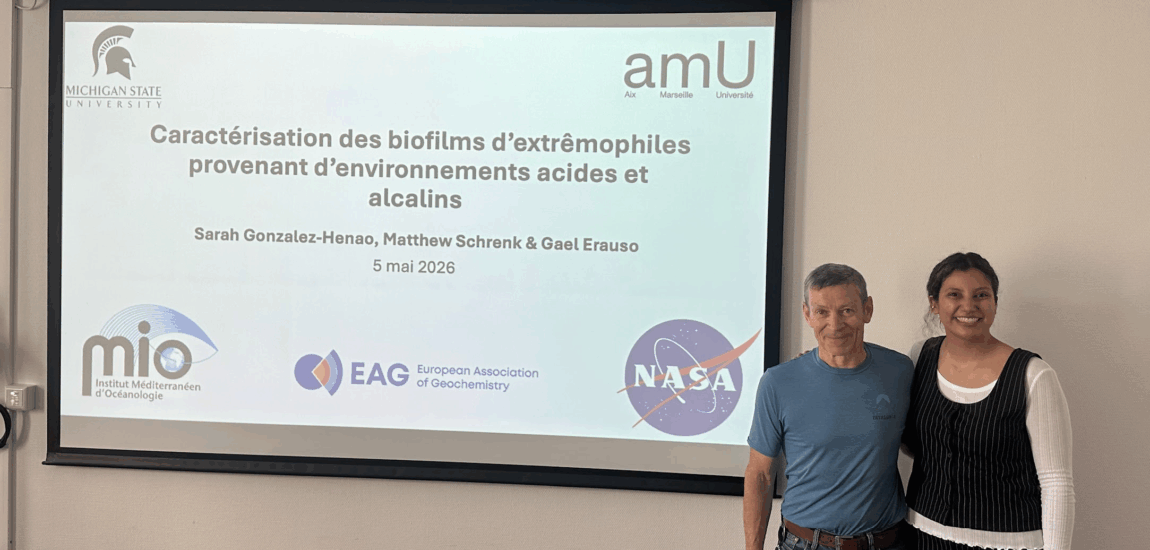
Beyond the laboratory results, this experience strengthened the collaboration between Michigan State University and MIO. I had the chance to interact with an interdisciplinary team. The results from this stay will be integrated into a manuscript comparing biofilm genetic potential and EPS associated phenotypes across serpentinising systems.
This visit helped me grow both scientifically and personally. It gave me new technical skills, broadened my perspective on geomicrobiology, and reinforced the value of international
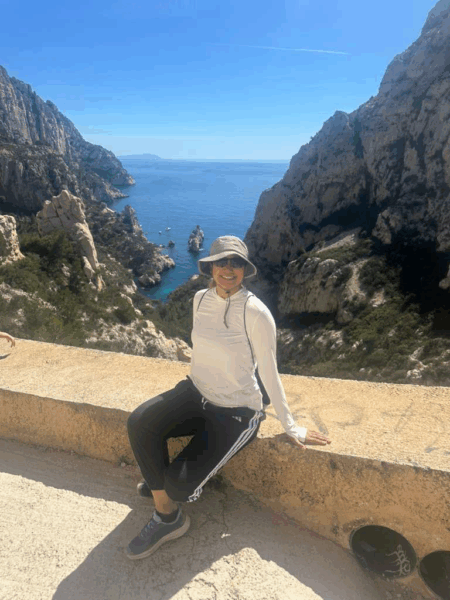
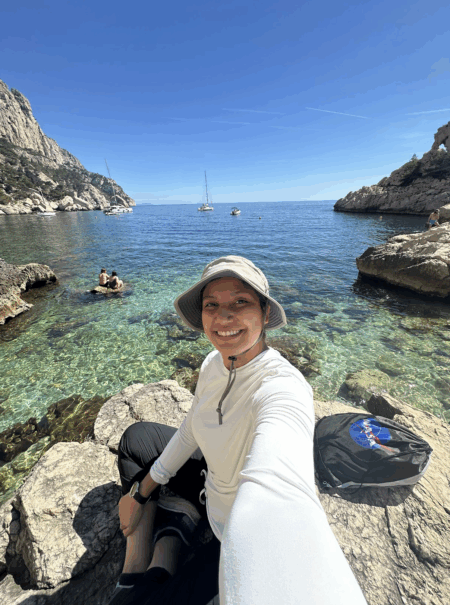
collaboration in geochemistry and astrobiology. Beyond the laboratory, I also deeply enjoyed my time in France. Marseille was a beautiful place to live and work, from its food culture, including
bouillabaisse, to the stunning landscapes of Calanques National Park. Overall, this was a very meaningful and memorable experience.
About the Author