Ironing out a few problems at Beamline I08
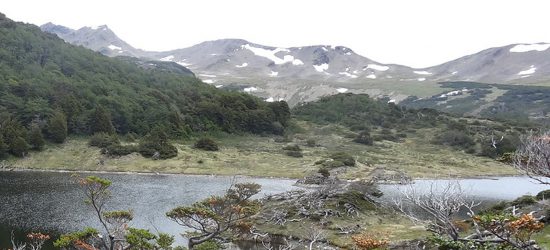
From the 15th to the 19th of October synchrotron veteran Liane G. Benning (University of Leeds), the “iron man” legend Rob Raiswell (University of Leeds) and myself (a PhD student in glaciology at the


From the 15th to the 19th of October synchrotron veteran Liane G. Benning (University of Leeds), the “iron man” legend Rob Raiswell (University of Leeds) and myself (a PhD student in glaciology at the
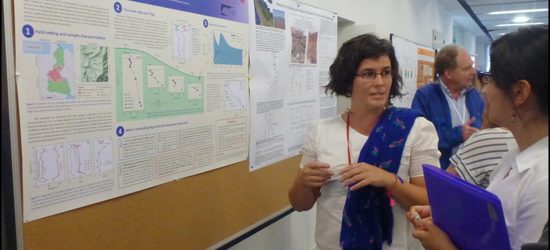
In September 2014, 3 students benefited from the EAG Student Sponsorship Program and recount their experiences below. Joshua Blacker and Stefanie Lutz attended the International Glaciological Society

César Menor-Salván and Olivier Pourret are the winners of the EAG Photo Contest 2014 and we have asked them tell us more about their photos and their passion... “Destructive Beauty”

The Geochemistry of the Earth’s Surface (GES-10) conference took place on 18-22 August in Paris and the EAG proudly supported student attendance by providing grants of 200 Euros per student

It is Wednesday morning. I arrive at my office at the University of Iceland after the International Carbon Conference in Reykjavík and quick visit to Oslo. In the hallway I am already going over my to

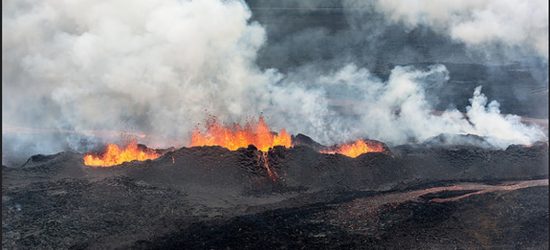
Global media attention was drawn to Iceland last week when days of increased seismic activity around Bárðarbunga culminated in the spectacular fissure eruption in the Holuhraun lava field

One of the nice things about Sacramento is that, unlike LA, it has real rivers, with water in them and levees along them. This week I enjoyed a few beautiful morning runs along the American River

Goldschmidt in California meant a drive instead of a flight. The route from Pasadena to Sacramento lead us through the Central Valley of California. While living in greater LA we have been well aware

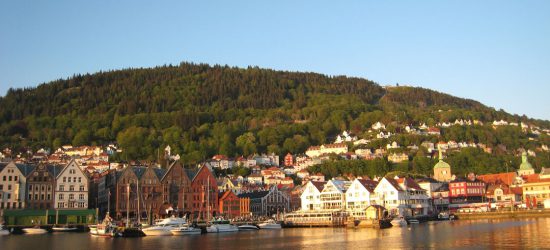
Last week, the clouds cleared and nearly 100 scientists from six continents descended on rainy Bergen, Norway to share their perspective on the broad topic of life in the universe

Have you ever heard of rocks falling from the sky? Rocks that come from space? Those rocks are known as meteorites and they belong to a class of materials called planetary materials

The best thing about working in Earth Sciences is the fieldwork, hands down. From looking at old mines in the Lake District to collecting fossil microorganisms in Trinidad

I write this as a free man. For the last couple of months I have been bound by the single-mindedness and obsession that drives all academics in the lead up to a submission deadline